

Introduction
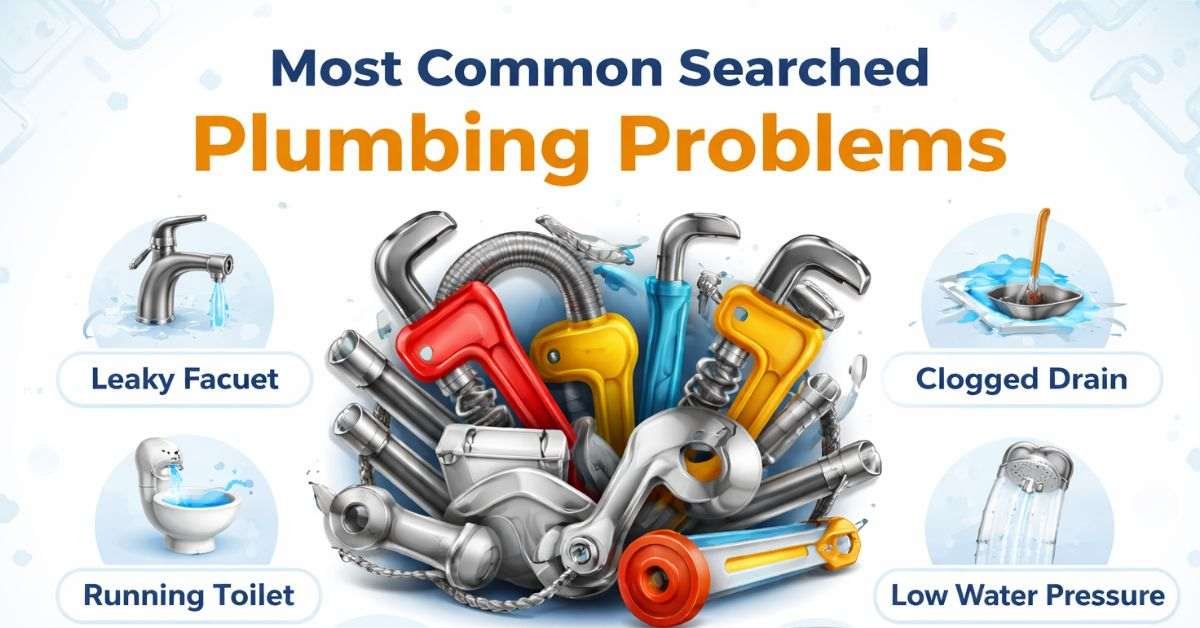
Plumbing problems are something almost every home will face at some point. From small leaks to major pipe damage, these issues can disturb daily life and even increase water bills if ignored. Understanding how plumbing systems work helps you prevent expensive repairs and keep your home safe.
In this guide, we will explore the most common searched plumbing problems in a very simple way so even a Grade 7 student can understand. You will learn what causes these issues, how to spot early signs, and what steps you can take before calling a plumber. The information is updated for 2026 and follows real-world plumbing practices used by experts today.
This article is written using simple language, practical tips, and real examples so you can easily apply what you learn at home. Whether you are a homeowner, tenant, or just curious, this guide will help you understand plumbing better and avoid common mistakes that lead to costly repairs.
Leaking Faucets and Dripping Taps
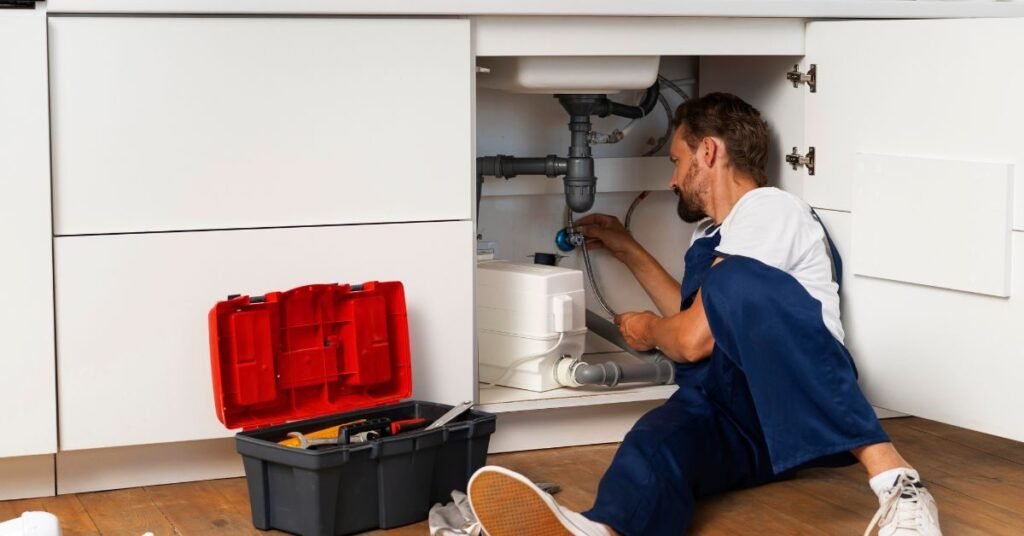
Leaking faucets are one of the most common household plumbing issues. Even a small drip can waste a large amount of water over time. The issue usually happens due to worn-out washers, damaged seals, or loose parts inside the tap.
In many cases, people ignore small leaks, but this can increase water bills and damage sinks or countertops. Fixing a dripping tap is usually simple and inexpensive compared to other plumbing repairs.
Interestingly, this issue is often listed among the most common searched plumbing problems, especially by homeowners trying to save water.
To prevent this issue:
- Check taps regularly for slow leaks
- Replace washers every few years
- Avoid over-tightening handles
- Call a plumber if leakage continues
Small maintenance steps can save hundreds of liters of water each month and reduce unnecessary costs.
Clogged Drains in Kitchen and Bathroom
Blocked drains are another frequent issue in homes. They usually happen when food particles, grease, hair, or soap build up inside pipes.
Common causes of clogged drains
| Kitchen Drains | Bathroom Drains |
|---|---|
| Cooking oil and grease | Hair buildup |
| Food scraps | Soap residue |
| Coffee grounds | Dirt and toothpaste |
Signs of blockage
- Water draining slowly
- Bad smell from sink
- Gurgling sounds in pipes
This issue is also part of the most common searched plumbing problems because almost every household experiences it at some point.
To prevent clogging:
- Avoid pouring oil into sinks
- Use drain strainers
- Clean drains weekly with hot water
- Use natural cleaners like baking soda and vinegar
Regular care keeps pipes clear and reduces emergency plumbing calls.
Running Toilets and Water Waste
A running toilet is a silent water-waster. It may not look serious, but it can waste hundreds of liters of water every day. The main causes include a faulty flapper, broken fill valve, or incorrect water level.
This is another one of the most common searched plumbing problems, especially in older homes where toilet parts are worn out.
Quick signs of a running toilet:
- Continuous water sound
- Tank refills without flushing
- Higher water bills
Fixing a running toilet is usually simple:
- Replace flapper rubber seal
- Adjust float level
- Check fill valve function
If the problem continues, it’s better to call a plumber before water bills increase further.
Low Water Pressure Issues
Low water pressure makes daily tasks like bathing, washing dishes, and cleaning very difficult. It can happen due to pipe blockages, leaks, or problems in the water supply system.
Sometimes mineral deposits build up inside pipes, reducing water flow. In other cases, hidden leaks are responsible.
This problem is frequently listed in the most common searched plumbing problems because it affects comfort and daily routine.
Common causes:
- Mineral buildup in pipes
- Hidden leaks
- Faulty pressure regulator
- Municipal supply issues
Simple checks include:
- Testing water from different taps
- Checking for leaks under sinks
- Cleaning shower heads
If pressure remains low throughout the house, professional inspection is needed.
Burst Pipes and Seasonal Damage
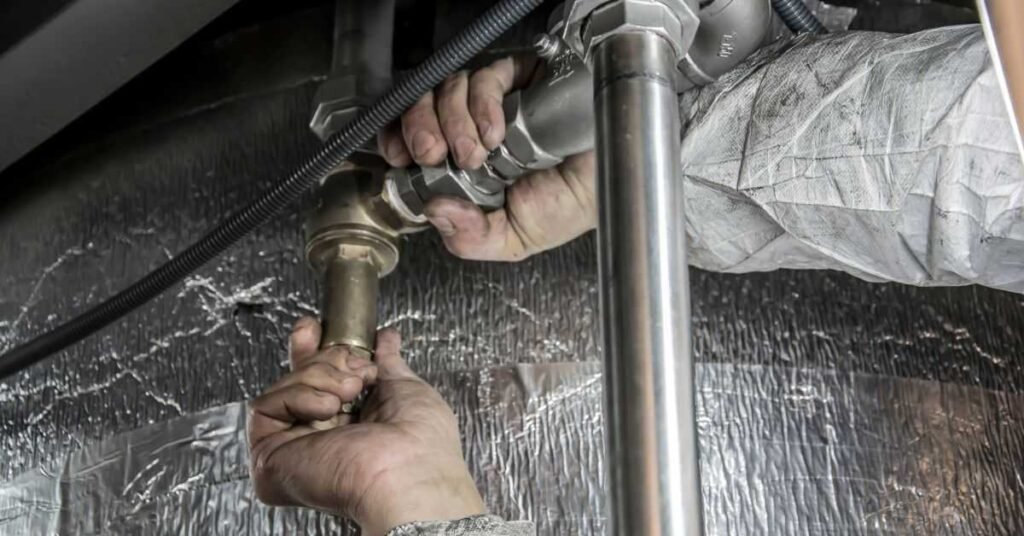
Burst pipes are one of the most serious plumbing emergencies. They often happen during cold weather when water inside pipes freezes and expands.
Older pipes are more likely to burst due to weak materials or corrosion. This issue is also included in the most common searched plumbing problems because it can cause major property damage.
Warning signs:
- Damp walls or ceilings
- Sudden drop in water pressure
- Water pooling in unusual areas
Prevention tips:
- Insulate exposed pipes
- Turn off outdoor water in winter
- Fix small leaks early
- Keep home temperature stable
Quick action can prevent flooding and expensive repairs.
Water Heater Problems
Water heaters are essential for daily comfort, especially in colder seasons. Common issues include no hot water, strange noises, or leaking tanks.
Sediment buildup inside the heater is a major cause of reduced efficiency. Heating elements can also wear out over time.
This is also part of the most common searched plumbing problems, especially in older homes or heavily used systems.
Common water heater issues:
- Water not heating properly
- Rust-colored water
- Strange popping sounds
- Leaking tank
Maintenance tips:
- Flush the tank once a year
- Check thermostat settings
- Inspect pressure relief valve
Proper care extends the life of your heater and saves energy.
Sewer Line Blockages
Sewer line problems are serious because they affect the entire plumbing system. These blockages happen when tree roots, grease, or waste materials block the main line.
Signs include foul smell, multiple drain backups, and slow drainage across the house.
Unlike small issues, sewer problems need professional help. This is one reason why it is included in discussions about the most common searched plumbing problems.
Prevention tips:
- Avoid flushing wipes or solid items
- Keep trees away from sewer lines
- Schedule regular inspections
Ignoring sewer issues can lead to health hazards and expensive repairs.
Pipe Corrosion and Aging Plumbing
Over time, pipes naturally wear out. Metal pipes may rust, while older plastic pipes may weaken or crack.
Corrosion affects water quality and flow. It can also lead to leaks inside walls, which are difficult to detect.
Even though many modern homes use improved materials, this is still one of the most common searched plumbing problems in older buildings.
Signs of pipe corrosion:
- Discolored water
- Frequent leaks
- Metallic taste in water
- Reduced water pressure
Replacing old pipes is often the best long-term solution.
Bad Smells from Drains
Unpleasant smells from drains usually come from trapped food, bacteria buildup, or dry P-traps.
Sometimes sewer gases enter homes if pipes are not sealed properly.
While not always dangerous, it is uncomfortable and unhealthy.
Common causes:
- Food decay in kitchen drains
- Dry bathroom traps
- Sewer line issues
Simple solutions:
- Pour hot water weekly
- Clean drains with natural solutions
- Run water in unused sinks
Regular cleaning prevents odor problems.
7 Ways to Prevent Plumbing Issues
Check for leaks regularly
Look under sinks, around toilets, and near pipes. Even small leaks can turn into big problems later.
Don’t pour grease in the sink
Oil and grease harden inside pipes and cause serious blockages. Always throw them in the trash instead.
Clean your drains often
Use hot water or a mild natural cleaner once a week to prevent buildup of dirt and soap.
Avoid flushing harmful items
Only flush toilet paper. Wipes, tissues, and sanitary items can block pipes easily.
Maintain water pressure
Very high pressure can damage pipes. Install a pressure regulator if needed.
Service your water heater
Flush it once a year to remove sediment and improve efficiency.
Call a plumber for early signs
Don’t ignore slow drains, strange noises, or bad smells—early action saves money.
Preventive Maintenance Tips for Homeowners
Preventive care is the best way to avoid plumbing issues. Many problems happen because small signs are ignored.
By following basic maintenance, you can avoid most repairs.
Simple maintenance checklist:
| Task | Frequency |
|---|---|
| Check for leaks | Monthly |
| Clean drains | Weekly |
| Inspect pipes | Every 6 months |
| Flush water heater | Yearly |
Good maintenance helps reduce emergencies and increases system lifespan.
Understanding common issues also helps you recognize the most common searched plumbing problems early and take action before they become serious.
Visual Summary: Plumbing Problem Comparison
Severity Levels
| Problem Type | Risk Level | Urgency |
|---|---|---|
| Leaking taps | Low | Medium |
| Clogged drains | Medium | Medium |
| Running toilets | Medium | High |
| Burst pipes | High | Emergency |
| Sewer blockage | High | Emergency |
Cost Impact Overview
| Issue | Estimated Repair Cost | Damage Risk |
|---|---|---|
| Faucet leak | Low | Low |
| Drain clog | Low–Medium | Medium |
| Pipe burst | High | Very High |
| Water heater failure | Medium–High | Medium |
FAQs
What is the most common plumbing issue in homes?
Leaking faucets and clogged drains are the most frequent problems in households.
Can small leaks increase water bills?
Yes, even a slow drip can waste a lot of water over time.
How often should plumbing be checked?
Experts recommend checking your plumbing system every 6 months.
Are chemical drain cleaners safe?
They can damage pipes if used too often, so natural cleaners are better.
When should I call a plumber?
If leaks, blockages, or pressure issues continue, professional help is needed.
Conclusion
Plumbing systems are an important part of every home, and understanding common issues helps you stay prepared. From small leaks to major pipe damage, every problem starts with early warning signs that should never be ignored.
In this guide, we explored different household plumbing challenges and how they can be managed with simple steps. The idea is not only to fix problems but to prevent them before they become serious.
Many homeowners search for most common searched plumbing problems because they want quick solutions, but the best approach is regular maintenance and early action. By taking care of your plumbing system, you can save money, avoid stress, and keep your home safe and comfortable.